Source A Line Embroidered Muslim Dress for Daily Wear
Explore 30 options for the a line embroidered muslim dress, featuring casual styles suitable for middle-aged women. Compare attributes like sleeve type, collar style, and material to find the right fit for daily occasions; compare the available evidence and request quotations based on your requirements.
Key considerations
Products List


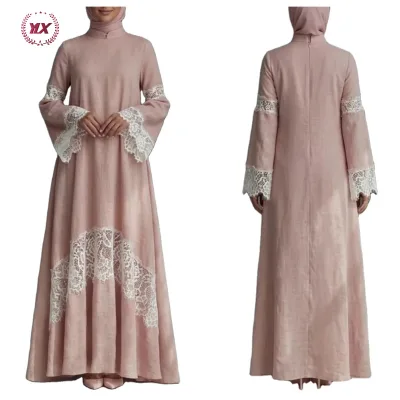
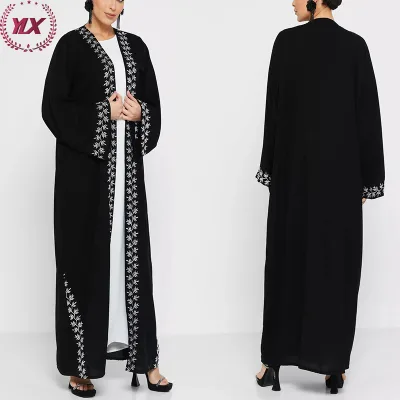
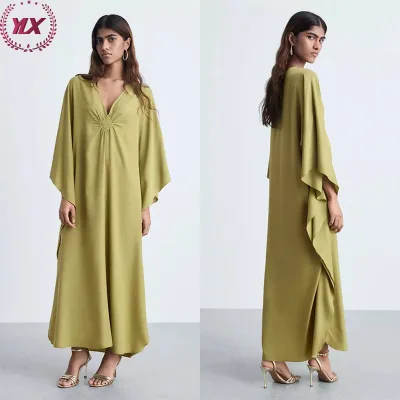
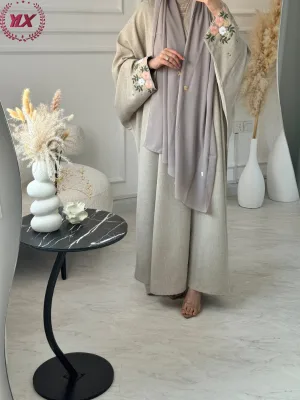
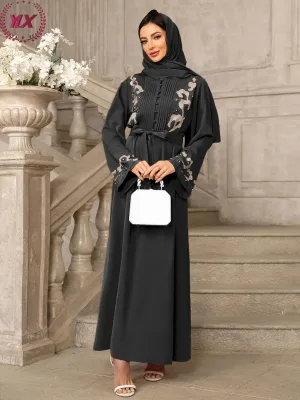


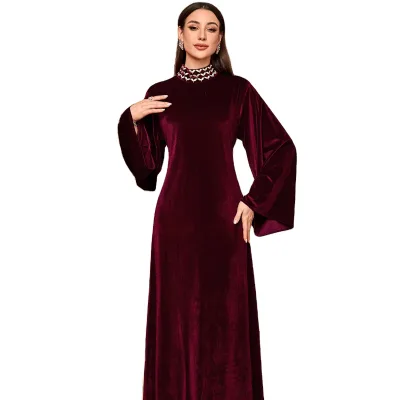
Comprehensive Sourcing Guide
A Line Embroidered Muslim Dress Sourcing Guide
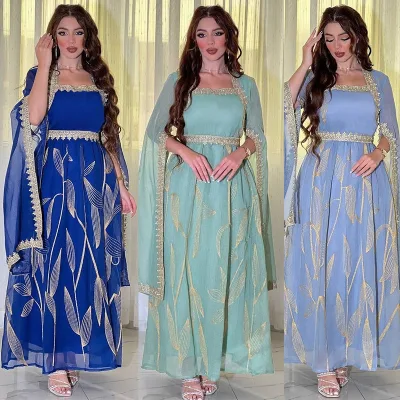
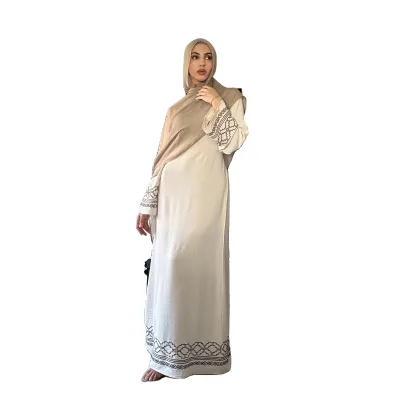
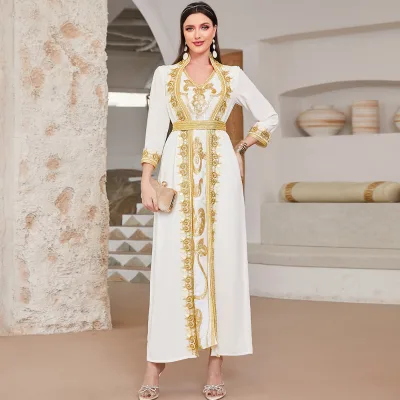
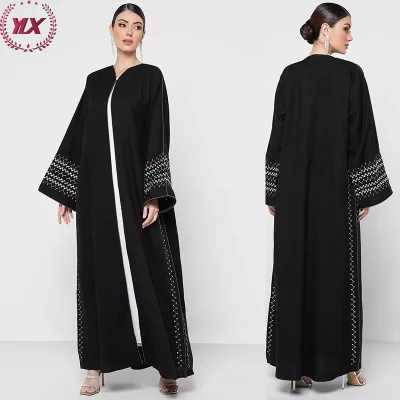
Buyers evaluating this category must first distinguish between casual daily wear and formal Islamic abayas, as the observed listings reveal distinct product identities. The data indicates a split between A-line skirts with boat necklines and full-length kaftan dresses featuring embroidery, requiring precise specification alignment to avoid procurement errors. Understanding these structural differences is critical before engaging with suppliers, as the intended use case dictates the necessary fabric weight and silhouette.
Procurement teams should verify whether the target item is a standalone skirt or a complete dress ensemble, as the observed models range from simple A-line cuts to complex embroidered kaftans. The presence of specific model numbers like KT14-350FY alongside Islamic abaya styles suggests a diverse catalog where a single supplier may offer unrelated items. Clarifying the exact garment type ensures that the ordered product matches the visual and functional requirements of the target demographic, particularly for middle-aged consumers seeking modest yet stylish options.
Product Scope and Observed Listing Signals
The observed market signals highlight a significant variation in sleeve types, with listings explicitly noting both long and short sleeve options for similar product descriptions. This inconsistency requires buyers to scrutinize individual product pages rather than relying on category averages, as a single supplier might list conflicting attributes for different SKUs. Procurement teams must confirm the sleeve length and neckline style, such as boat neck versus square neck, to ensure the final product aligns with modesty standards and seasonal expectations.
Color and style variations further complicate the scope, with yellow and white options appearing alongside casual and Islamic abaya classifications. The data shows that some items are marketed specifically for summer daily wear, while others carry labels like "Love Sahara" indicating a niche cultural focus. Buyers must cross-reference these attributes against their specific inventory needs, ensuring that the selected items meet the aesthetic and functional criteria for their specific market segment without assuming uniformity across the supplier's entire range.
Technical Specifications to Verify
Technical verification begins with confirming the material composition, as the supplied facts explicitly identify polyester as a primary fabric for the observed kaftan dresses. Buyers should request detailed fabric specifications to ensure the polyester blend meets durability and comfort expectations, particularly for garments intended for daily wear in warm climates. The presence of digital printing and embroidery techniques suggests a need to verify the quality of these decorative elements, as these processes can vary significantly in execution and longevity depending on the supplier's equipment.
Size and weight specifications are equally critical, with observed listings ranging from S to XXL and weights noted as 500G or 0.5KG per unit. Procurement teams must validate that the size chart provided by the supplier accurately reflects the intended fit for the target age group, which includes middle-aged adults. Additionally, the packing standards, such as 12 pieces per bundle or individual OPP bags, must be confirmed to ensure logistics compatibility and to prevent damage during transit, as the observed packing methods vary from simple plastic boxes to mixed-color bundles.
Compliance and Safety Documentation
While the provided data does not explicitly list specific safety certifications, buyers must proactively request documentation to ensure the garments meet international safety standards for textile products. The presence of a CE certification mention in the background context suggests that some suppliers may hold relevant approvals, but this cannot be assumed for all listed items without direct verification. Procurement teams should demand test reports for color fastness, flammability, and chemical content to mitigate risks associated with importing clothing into regulated markets.
Documentation regarding the origin of materials and the manufacturing process is essential for maintaining supply chain transparency and ethical compliance. The observed origin locations, including China and Guangzhou, require buyers to verify that the suppliers adhere to local labor laws and environmental regulations. Requesting proof of compliance with specific industry standards ensures that the embroidered and printed designs do not contain prohibited substances, thereby protecting the brand from potential regulatory penalties or reputational damage.
Cost Drivers and Commercial Terms
Cost structures in this category are heavily influenced by the complexity of the embroidery and the specific printing methods used, such as digital printing. Buyers should anticipate that items with intricate embroidery or custom designs will command higher prices compared to basic polyester garments, as these processes require additional labor and specialized equipment. The observed price range of 2.5 to 42 USD reflects this variability, necessitating a detailed cost breakdown to understand the value proposition of each SKU before negotiating final terms.
Minimum Order Quantities (MOQ) and lead times are significant commercial factors, with observed MOQs ranging from 2 to 500 units and sample lead times as short as 7 days. Procurement teams must align their order volumes with the supplier's capacity to ensure timely delivery, especially for in-stock items versus custom production runs. Understanding the packing requirements, such as mixed-color bundles or individual packaging, is also crucial for calculating total landed costs, as these factors directly impact shipping efficiency and storage requirements.
Supplier Qualification and Quality Control
Supplier qualification should focus on verifying their ability to maintain consistency across diverse product lines, given the observed mix of casual skirts and Islamic abayas. Buyers must assess whether the supplier has dedicated quality control processes for both the embroidery and digital printing techniques, as these are high-risk areas for defects. Requesting pre-shipment samples is essential to validate the physical quality of the product, ensuring that the stitching, color accuracy, and fabric feel match the provided specifications before committing to larger orders.
Quality control protocols must also address the packaging integrity, as the observed standards vary from simple plastic boxes to specific bundle configurations. Buyers should establish clear acceptance criteria for packaging to prevent damage during transit, particularly for items with delicate embroidery or printed designs. Implementing a rigorous inspection process that includes checking for loose threads, color bleeding, and correct labeling ensures that the final delivered goods meet the expected quality standards and reduce the likelihood of returns or customer complaints.
Long-Term Procurement Checks
Establishing a long-term relationship with suppliers requires regular performance reviews to ensure consistent adherence to quality and delivery schedules. Buyers should track key performance indicators such as defect rates, on-time delivery percentages, and responsiveness to customization requests to identify potential issues early. Maintaining open communication channels allows for the continuous improvement of product specifications and processes, ensuring that the supply chain remains agile and responsive to changing market demands.
Future procurement strategies should include periodic audits of the supplier's production capabilities and compliance status to mitigate long-term risks. As the market evolves, buyers must remain vigilant about changes in material availability, labor regulations, and shipping logistics that could impact the supply chain. By fostering a collaborative partnership based on transparency and mutual growth, buyers can secure a reliable source for a line embroidered Muslim dress that meets their evolving business needs and maintains high standards of quality and compliance.
FAQs
What customization options are available for a line embroidered muslim dress?
Customization is available for these garments, allowing buyers to tailor specific attributes to their needs. The product page indicates that customization services are supported, which may include adjustments to design elements or branding. Buyers should contact suppliers directly to discuss specific requirements and ensure the final product meets their exact specifications for the target market.
Can I get a sample order for a line embroidered muslim dress?
Yes, sample orders are supported with a lead time of 7 days. This allows buyers to verify quality and design before committing to bulk production. The sample process ensures that the embroidery and fabric meet expectations. Buyers should confirm sample costs and shipping details with the supplier to facilitate a smooth evaluation of the product before placing a larger order.
What is the typical packaging for a line embroidered muslim dress?
Packaging varies by supplier but often includes OPP bags, plastic boxes, or trays. Some bundles contain 12 pieces mixed by color and size, while others use individual OPP bags. Buyers should specify their packaging requirements, such as customer-specific needs, to ensure the product arrives in suitable condition. Clear communication with the supplier is essential to align on packing standards.
Where are these dresses manufactured and what is the origin?
These dresses originate from China, with specific production noted in Guangdong and Guangzhou. This location is a major hub for textile manufacturing, offering access to skilled labor and materials. Buyers can leverage this origin for efficient sourcing, though they should verify specific factory locations and capabilities to ensure compliance with their quality and logistical requirements for the final product.
What materials are used in these embroidered muslim dresses?
Polyester is a common material used in these dresses, providing durability and ease of care. The fabric supports digital printing and embroidery techniques, allowing for detailed designs. Buyers should confirm the exact material composition with suppliers, as variations may exist. Polyester offers a balance of comfort and structure, making it suitable for various styles and occasions in the muslim dress market.
What styles are included in the a line embroidered muslim dress collection?
The collection includes casual styles, Islamic abayas, and kaftan dresses, often featuring a-line silhouettes. Designs may include boat necklines, square necklines, and long or short sleeves. Embroidery adds decorative detail to these garments. Buyers can choose from various styles to match their target audience's preferences, ensuring the selection aligns with current fashion trends and cultural appropriateness for the intended market.